- Also Known As:
- Unknown
- Year:
- 2014
- Country:

- Predominant Genre:
- Mystery
- Director:

- Outstanding Performances:

- Premiss:
- Wife disappears and husband is suspected of involvement.
- Themes:
- Alienation
- Destiny
- Emotional repression
- Gynophobia
- Identity
- Individualism
- Loneliness
- Materialism
- Narcissism
- Personal
- Political
- Political Correctness
- Republicanism
- Sadomasochism
- Schizophrenia
- Sexism
- Sexual Repression
- Snobbery
- Solipsism
- Stereotyping
- White culture
- White supremacy
- Similar to:
- Leave Her to Heaven
- Presumed Innocent
- Vertigo
- Review Format:
- DVD
Wan Girl
Summary: Much Ado About Nothing.
Peculiar film about the inherently-political nature of Caucasian marriages - and personal relationships, as such - with a sideswipe at the borderline-sociopathy of rich Whites.
As a thriller, the plot is somewhat improbable; leaving us to conclude it is something of an allegory of how Whites act-out their personal relationships, rather than live them from the inside. But unlike, say, Vertigo, the revelation at the mid-point of the film - rather than at the end - of what is really going on here, does not lead the audience to focus on the marital problems of the two leads, but on the fact that the movie cannot decide whether it is a crime-thriller or a social statement on the emptiness of White culture. (Presumably, only a film made by a Black film-maker could ever do this.)
Here, everyone is more concerned with how they appear to others rather than how they actually are to themselves. A successful marriage becomes defined by how successful one is at convincing neighbors that it is successful in appearance, rather than in essence. The issue then becomes not sharing your life with another, but keeping-up-appearances; not judging others by who they are as individual, but how they will fit in to ones pre-existing social group.
It is no coincidence that Whites have the highest divorce rates of any ethnic group in the world. The insular nature of White culture leads Whites to tolerate their lackluster marriages and become unhealthily-dependent on one another - no matter how abusive their relationships - out of fear of finding something better that would actually require hard work and effort. Each side of the marriage&nsbp;relationship, here, is in deep thrall to the cynicism of the other; explaining the childlessness of the couple since they have more than enough to do fighting each other rather than raising children.
The great unanswered question, about whether you can ever really know the mind of anyone else within the ostensible intimacy of a marriage, is never meaningfully-explored - nor is the question of whether one really needs to. The latter issue is, however, a very real problem for White personal relationships since wanting to know what makes others tick can come from a need for manipulation, dominance & control rather than any genuine desire for a shared, mutually-beneficial experience.
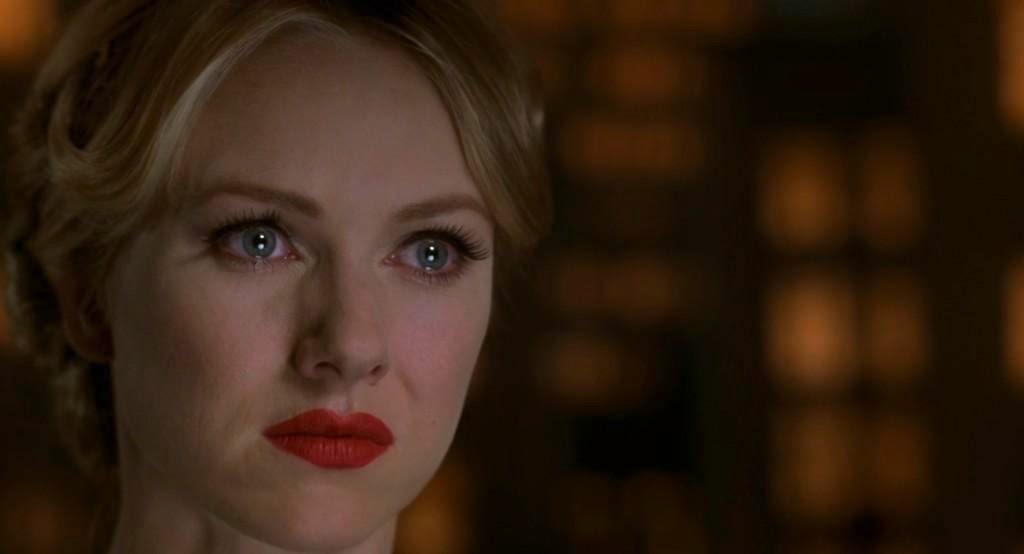
Rosamund PIKE is excellent throughout and offers the psychological ambiguity the story needs. We never really get to know if she is the bad girl needing punishment by punishing her husband or just a vehicle for the author’s disdain for the kind of phony marriage on show here.